
The following article contains spoilers for Michael Mann’s 1995 film “Heat”.
Last Friday I had the pleasure of once again strolling down to Portland’s historic Hollywood Theatre, this time to watch Michael Mann’s 1995 classic crime saga, Heat.
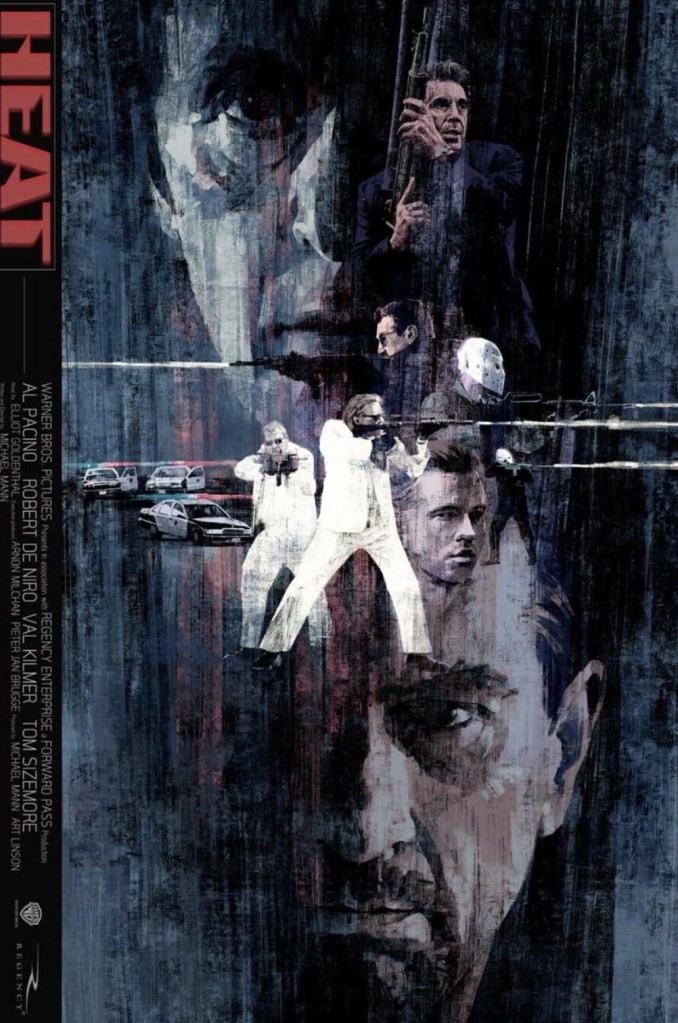
I have now seen Heat three times in 2026. I had never seen it before, along with a bunch of other crime classics, and so I began a big crime movie spree in January this year. Heat was one of the first movies that kicked the spree all off, and the film hasn’t left my mind since that day.
To begin, I want to talk about my favorite things about this screening. Lately at the Hollywood, Katie and I have had some tough luck with getting good seats, so like with our Manhunter screening the weekend before, we ended up smack dab in the front row of the theater. We would never survive the pre-seat reservation era. That being said, the Hollywood’s front row actually sits a pretty comfortable distance from the screen, so it was much better than we thought it would be. After seeing the movie though, I would say we had some of the best seats in the house for one particular reason: the film’s sound design.
The first heist our crew commits was, by far, the loudest thing I have ever heard in a theater. As the semi rams into the armored car, it genuinely felt and sounded like the crash was about to come through the screen into the theater. I was immediately slack-jawed, my mouth agape with of the feeling of “Holy Shit. Welcome To HEAT!!!”. I have seen hundreds of films in theaters at this point in my life, but no movie has ever come close to that feeling of a loudness that truly penetrates through the screen. There was a lot of talk this summer about The Odysseys cyclops scene and how loud that was. I can assure you, dear reader, Heat takes the cake for pure loudness. That pained cyclops screech still haunts my dreams though…
Other excellent points of harrowing sound design include the downtown shoot-out (of course), but what came close to the feeling of that truck crash was the finale of the film at the airport. Again, it felt like a plane was about to fly into the theater. Heat really is an unreal film to see in the theater and is one of those rare movies that should be playing 24/7 in a theater, alongside The Matrix and James Cameron’s Avatar trilogy.
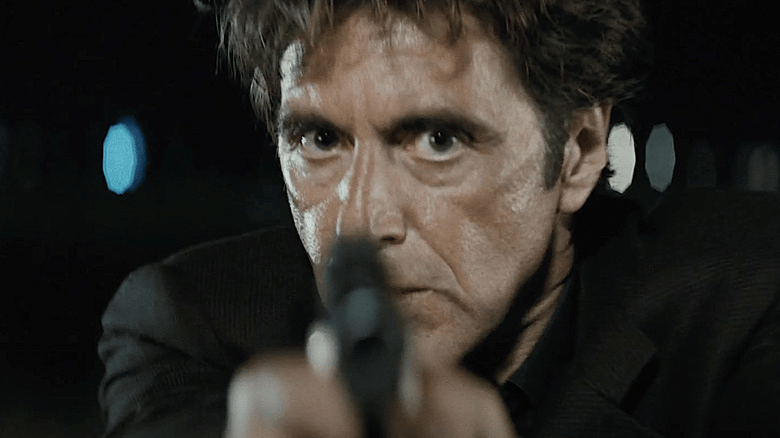
Two things in particular struck me the most about the movie itself during this viewing. The first was the symbolic dichotomy between McCauley and Hanna’s lives, and the second was the interlaid Greek tragedy that mirrors the tale of Orpheus and Eurydice. I have spent this week reading Heat reviews on various blogs and have yet to see others make these specific connections.
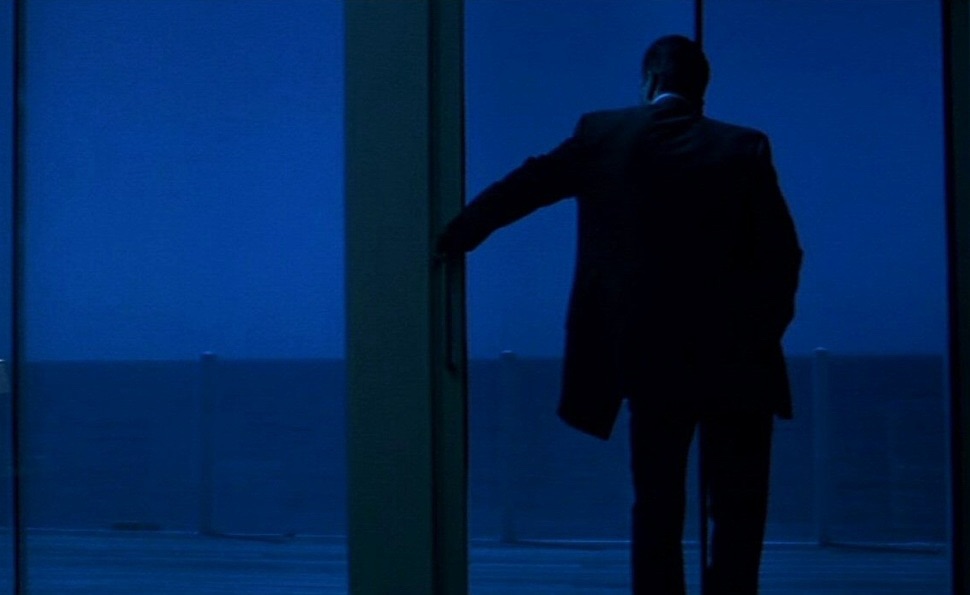
The visual dichotomy between McCauley and Hanna was particularly striking to me on this rewatch. Heat has a historic legacy in Hollywood for its striking visuals and ear shattering sound design. One visual parallel I never see highlighted, however, is the one between McCauley and Hanna in their homes. Obviously, we all have seen the photo of McCauley in his home after the first heist. Even if you haven’t seen Heat, this is the definitive “Heat” photo. I have typed Heat so many times now that the word doesn’t feel real.
However, what I caught on this rewatch was Hanna’s version of this shot, which comes a little before halfway through the movie.
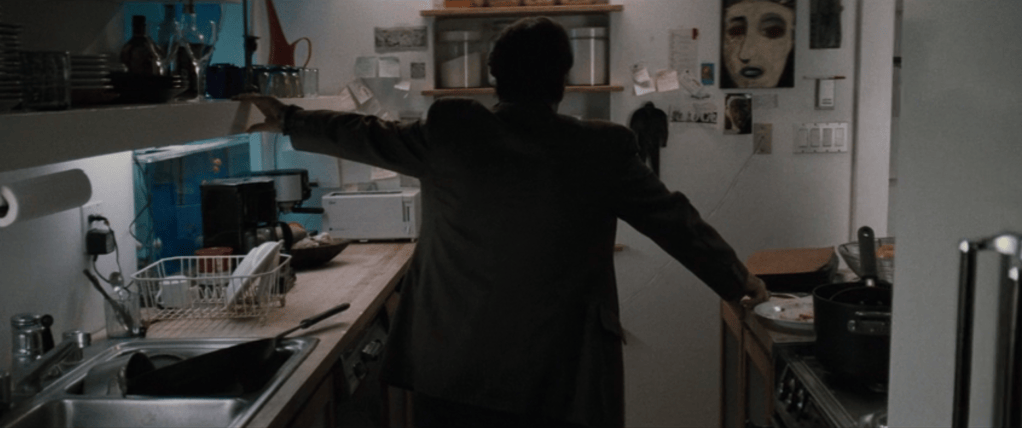
Comparing the two men from these apartment scenes reveal many interesting threads. Neil lives in an empty, sterile condo, sparse with furniture, family, and dishes, but clarifies to the audience when he shares with Eady, “I am alone, I’m not lonely”. On the other side, we have Vincent, who lives in his wife’s “ex-husband’s… dead-tech, postmodernistic, bullshit house”, filled to the brim with dishes, furniture, stylized architecture, and art pieces from his step-daughter, Lauren. Hanna has everything he’s “supposed” to have as a successful police detective, yet we often see him alone, in the dark, at home. He is not alone, yet he is lonely.
It’s no coincidence that the next scene after we see Hanna, lonely in his home, is his and McCauley’s diner conversation, where they converse about what it takes to live the life of a criminal versus the life of a detective. While the two men muse about barbecues and ball games and the possibility of living the “normal” life, they both acknowledge that their existence as a cop and a thief means neither of them can ever have that. The diner scene is one of the best in any crime film, and we’re all lucky to be alive at the same time this movie exists.
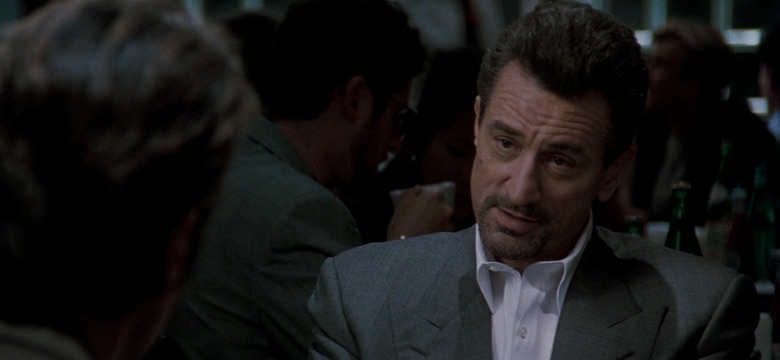
The next connection I drew from this rewatch was the mirroring between McCauley and Eady‘s relationship and that of the Greek tragedy of Orpheus and Eurydice. The main thesis of Heat is quoted a few times in the film, and it is “Don’t let yourself get attached to anything you are not willing to walk out on in 30 seconds flat if you feel the heat around the corner”. Right off the bat, you know it’s going to happen at some point in the movie. The phrase evokes anxiety because you’re excited to see how it all will come together, and it’s a masterful payoff. Throughout the film, we see McCauley slowly breaking this code as he forms a compassionate, tender relationship with Eady, who was excellently portrayed by Amy Branneman.
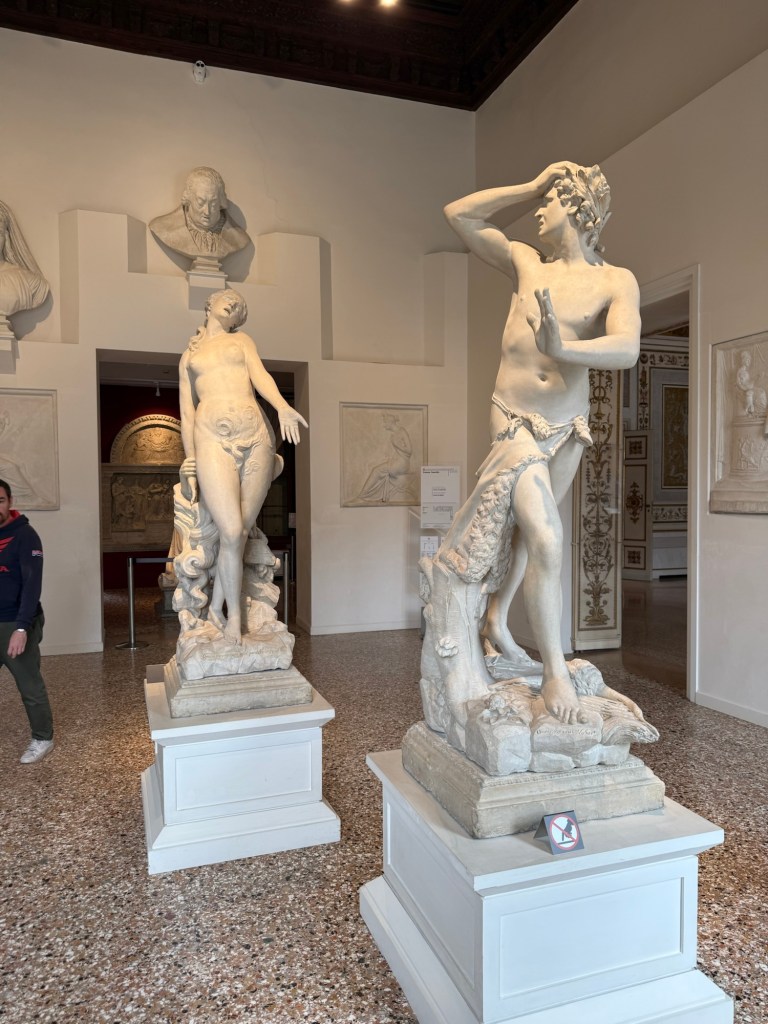
For those unfamiliar with the Greek tragedy, Orpheus was a gifted musician that was blessed by the gods to enchant through the power of song, and married a woman named Eurydice. Through an unfortunate accident (there are multiple versions of the tale), Eurydice dies. Out of heartbreak, Orpheus descends into Hades and pleads with the god of the dead and his wife, Persephone, to let Eurydice leave with him. Orpheus achieved this by singing a song so beautiful that Hades agrees, but under the condition that Eurydice follows Orpheus out without him turning around to make sure she’s with him. Orpheus and Eurydice made it all the way to the exit of Hades, but in the final moment, Orpheus doubted his deal with Hades and turned around before they could exit the cave. This condemned Eurydice and she was pulled back into the underworld.
Now, you’re probably thinking “What the hell does this have to do with Heat?!”. Let me explain.
The tragedy of Heat begins and ends with McCauley’s original mistake: taking his eyes off of the new recruit, Waingro, in the diner parking lot after the first heist before he could be killed. Our tragedy begins as a sort of inverse version of the Greek tale. Instead of turning around and losing someone after seeing them, McCauley takes his eyes off Waingro for a second before he disappears into thin air. After he escapes McCauley and the crew, Waingro, as an agent of chaos and the ultimate villain of the film, fades in and out of the narrative before ultimately returning to kill Trejo after being hired by a paranoid Van Zant and foiling the final heist. There are many events and characters that weave in and out of eachother, but to get to the point, it is eventually discovered by Hanna that Waingro is reaping the rewards of his job with Van Zant. Hanna puts out an APB on Waingro’s location in order to bait out McCauley before he can flee the country, knowing he would want revenge for Trejo and getting the rest of the crew (minus Chris and Nate) killed. As McCauley and Eady are en route to the airport to escape, McCauley gets a call from Nate and they have this exchange:
NATE: One other thing. You asked, so I gotta tell you. The guy you wanted checked into the Marquis under “Jameson”… if you still give a shit, which I figured you wouldn’t.
MCCAULEY: You figured right.
NATE: So, so long, brother.
As this conversation occurs, McCauley and Eady enter a tunnel on the LA Highway. I’m interpreting this tunnel as Orpheus and Eurydice’s ascent out of Hades. McCauley has been given very clear instructions: get to the airport, get on the plane, and they’ll be home free. But, to quote the Fates speaking to Hades while he decides Orpheus’s Trial in the musical Hadestown (which is about this very same tragedy):
“Men are fools
Men are frail
Give them the rope and they’ll hang themselves”
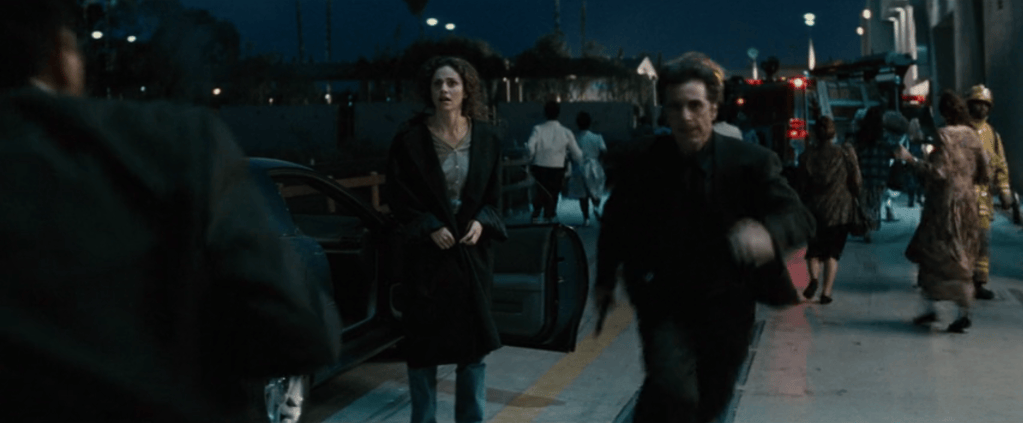
Nate has essentially done the same here. That snippet of information about Waingro’s booking name and hotel is all McCauley needed to hang himself. A few moments after hanging up from his call with Nate, McCauley pulls off the highway and tells Eady he has to take care of one last thing, and to leave the car running. McCauley successfully infiltrates the hotel, kills Waingro (who has one of the most chilling deaths in the entire movie, completely deserved by the way), and makes it out of the hotel. Unbeknownst to McCauley, however, Waingro was under LAPD surveillance, and Hanna was arriving at the same time McCauley was trying to sneak out. There is a moment where McCauley reaches for the car, but like in the Greek tragedy, he turns around to see Hanna running at him through the crowd. His own personal representation of the underworld. In another inversion of the Greek tragedy, Eady is the one who plays the role of our Orpheus, and McCauley is our Eurydice, sucked back into the underworld before they can even say a word to each other.
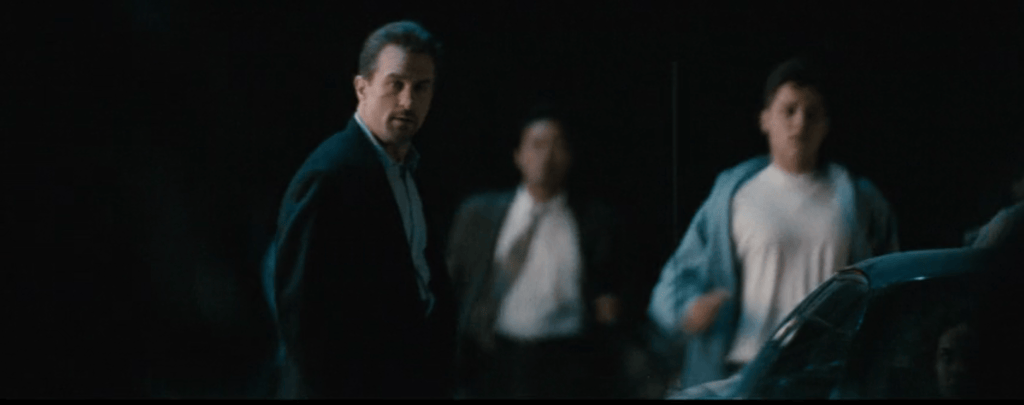
And that is all I have to say about Michael Mann’s 1995 masterpiece, Heat. This is the most effort I have put into an article so far. 17 drafts and a whole week later, we have made it. Much like the movie, this is a saga of an article. I love Heat. Thanks for reading.


Leave a Reply